

Welcome to the new Fargro website: retail and trade, now in one place.
Buying for your business? Get trade prices, bulk quantities and specialist advice.
Fargro supplies home gardeners, commercial growers & garden centres across the UK with horticultural products & specialist growing advice - backed by over 80 years of industry expertise.


FHG™ Polystone Window Box, Outdoor Windowsill Pot, Garden Stone Planter
Choose your option


Blue Slate Chippings 20 mm Decorative Garden and Pathway Stones 20 kg Bag
Choose your option


Spotlight products


In stock
Melcourt SylvaGrow® Seed Compost, Peat-Free Growing Media for Seed Sowing and Propagation, 40L
Selling Unit: Bag
2 day delivery available
Spend £60 for free next day delivery
Choose your option


In stock
Melcourt Composted Fine Bark™, Peat-Free Soil Conditioner and Fine Mulch for Beds and Borders, 50L
Selling Unit: Bag
Login or Signup for Trade pricing
2 day delivery available
Spend £60 for free next day delivery
Choose your option

In stock
DCM Fertiliser 1kg Bag, Slow Release Feed Formula for Plants, Flowers, Vegetables, Containers, Lawns
Selling Unit: Bag
2 day delivery available
Spend £60 for free next day delivery
Choose your option


Out of stock
Sinclair Fine Vermiculite 1-3mm 100L | Soil Conditioner & Seed Sowing Vermiculite
Selling Unit: Bag
Login or Signup for Trade pricing
2 day delivery available
Spend £60 for free next day delivery
Choose your option
Out of stock
Out of stock
Unfortunately, Sinclair Fine Vermiculite 1-3mm 100L | Soil Conditioner & Seed Sowing Vermiculite is currently out of stock. Enter your email to be notified when it comes back in stock.
Thanks! We'll email you as soon as this product is back in stock.
An error occurred. Please try again.

In stock
Levington Advance Seed & Modular F2 Formula Compost, Seed Soil, 75L Bag
Selling Unit: Bag
Login or Signup for Trade pricing
2 day delivery available
Spend £60 for free next day delivery
Choose your option


In stock
Melcourt Pine Mini Bark Chips™, Fine Decorative Pine Bark Mulch for Pots, Borders and Containers, 60L
Selling Unit: Bag
Login or Signup for Trade pricing
2 day delivery available
Spend £60 for free next day delivery
Choose your option


In stock
Melcourt Mature Pine Propagating Bark™ Professional Series, Fine Bark Growing Media 2–7mm, 60L
Selling Unit: Bag
Login or Signup for Trade pricing
2 day delivery available
Spend £60 for free next day delivery
Choose your option


In stock
Melcourt Sylvamix® Peat Free Compost, Professional Horticulture Seed & Cutting Compost, 50L Bag
Selling Unit: Bag
Login or Signup for Trade pricing
2 day delivery available
Spend £60 for free next day delivery
Choose your option


In stock
Melcourt PlayBark® Chunky Pine Bark Playground Mulch 10–40mm 60L
Selling Unit: Bag
Login or Signup for Trade pricing
2 day delivery available
Spend £60 for free next day delivery
Choose your option

Out of stock
Strulch Garden Mulch 9kg
Selling Unit: Bag
Login or Signup for Trade pricing
2 day delivery available
Spend £60 for free next day delivery
Choose your option
Out of stock
Out of stock
Unfortunately, Strulch Garden Mulch 9kg is currently out of stock. Enter your email to be notified when it comes back in stock.
Thanks! We'll email you as soon as this product is back in stock.
An error occurred. Please try again.


Out of stock
Sinclair All Purpose Compost Peat Reduced 75L | Multi-Purpose Compost
Selling Unit: Bag
Login or Signup for Trade pricing
2 day delivery available
Spend £60 for free next day delivery
Choose your option
Out of stock
Out of stock
Unfortunately, Sinclair All Purpose Compost Peat Reduced 75L | Multi-Purpose Compost is currently out of stock. Enter your email to be notified when it comes back in stock.
Thanks! We'll email you as soon as this product is back in stock.
An error occurred. Please try again.


In stock
Melcourt Bark Nuggets®, Chunky Decorative Garden Mulch for Landscaping and Borders, 60L
Selling Unit: Bag
Login or Signup for Trade pricing
2 day delivery available
Spend £60 for free next day delivery
Choose your option


Our best sellers


In stock
Mediterranean Cobbles 60–100 mm Mixed Colour Garden Cobbles 20kg Bag
Selling Unit: Bag
2 day delivery available
Spend £60 for free next day delivery
Choose your option


We'll order this for you
Blue Slate Chippings 20 mm Decorative Garden and Pathway Stones 20 kg Bag
Spend £60 for free next day delivery
Choose your option
In stock
DCM Fertiliser 1kg Bag, Slow Release Feed Formula for Plants, Flowers, Vegetables, Containers, Lawns
Selling Unit: Bag
2 day delivery available
Spend £60 for free next day delivery
Choose your option

Out of stock
Whitefurze Seed Tray 38cm - Forest Green
2 day delivery available
Spend £60 for free next day delivery
Choose your option
Out of stock
Out of stock
Unfortunately, Whitefurze Seed Tray 38cm - Forest Green is currently out of stock. Enter your email to be notified when it comes back in stock.
Thanks! We'll email you as soon as this product is back in stock.
An error occurred. Please try again.

In stock
Set of 100, White Self-Tie Lock Loop Plant 8 Inch Labels, L22,W15cm
Selling Unit: Each
Login or Signup for Trade pricing
2 day delivery available
Spend £60 for free next day delivery
Choose your option
Inspiration & tips from our community


Customer reviews and Trustpilot ratings
Excellent
Based on 1K reviews
Articles from the shed
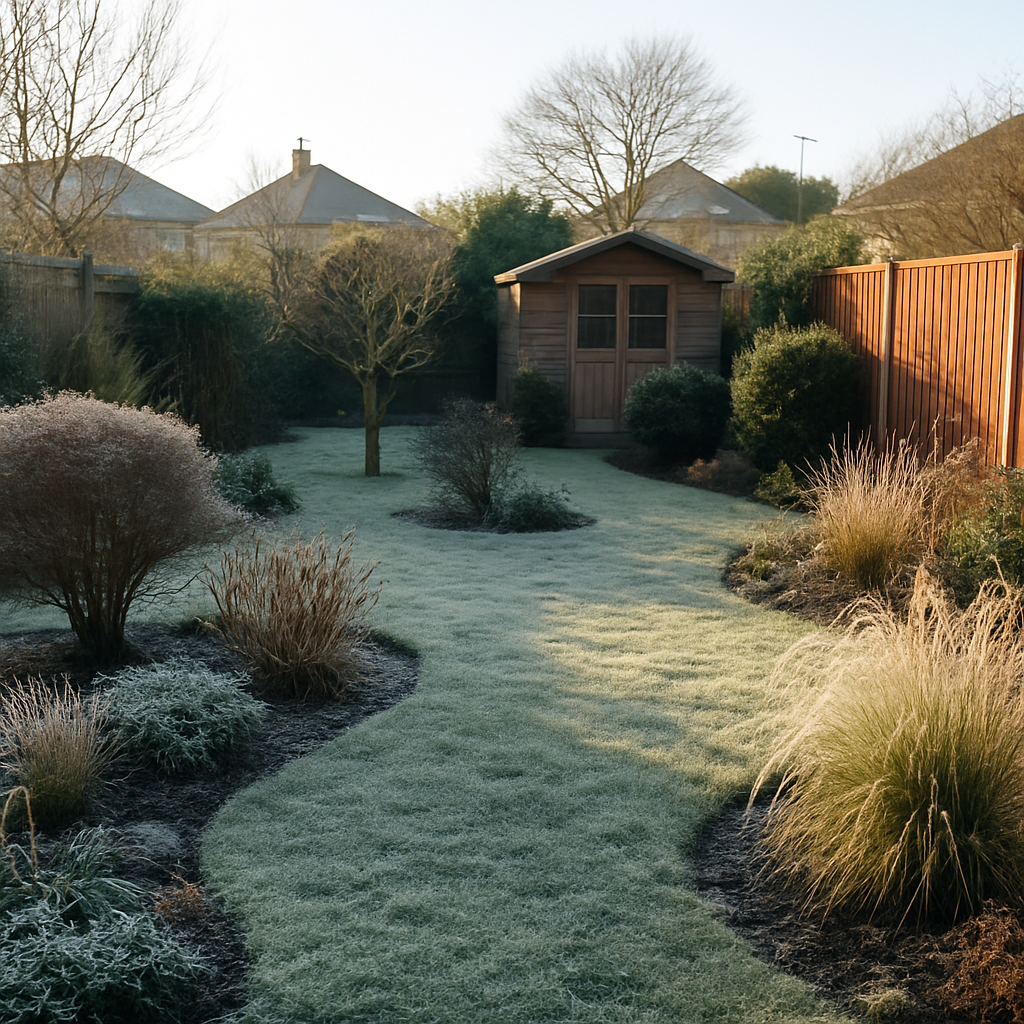
September 30, 2026
The Gardener’s Guide to Shorter Days: Making the Most of Limited Light

September 01, 2026
Autumn Gardening Guide
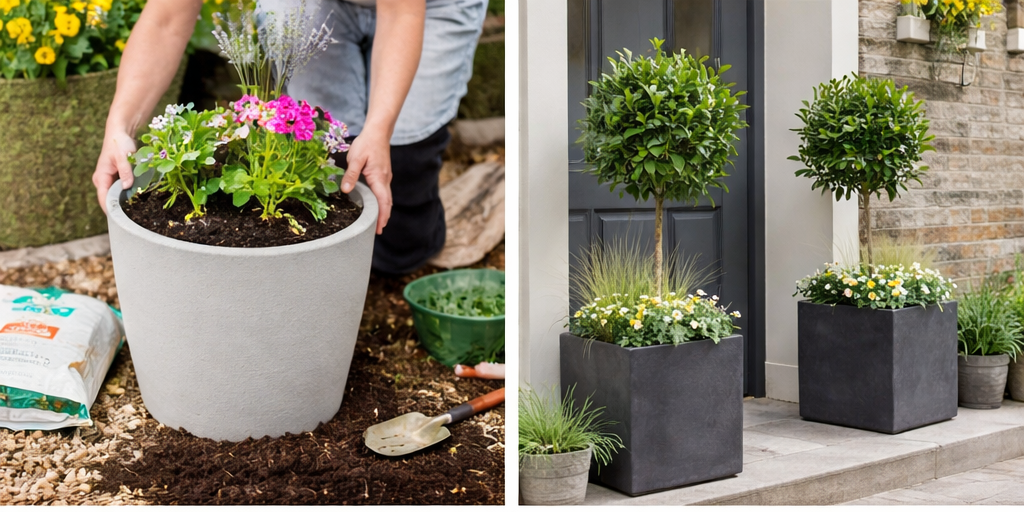
March 05, 2026
How to plant decorative pots: Polystone planters, container gardening tips & styling ideas
February 13, 2026
Spruce up your garden this spring

February 12, 2026
How to choose the right pot for your plants
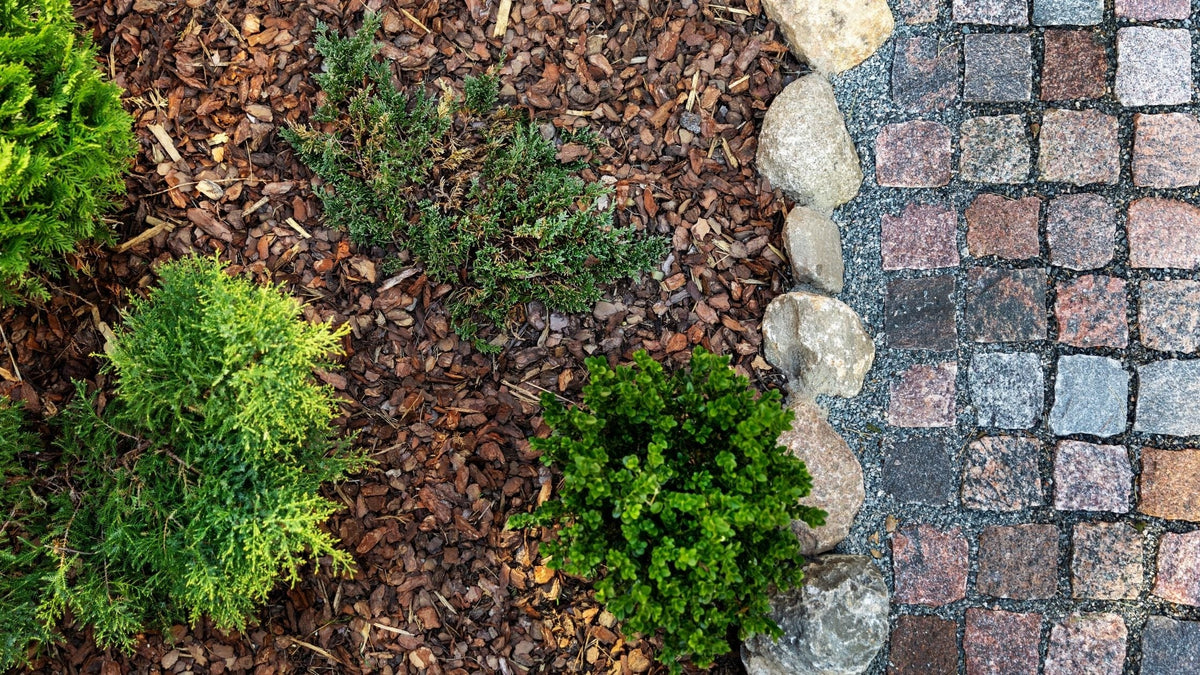
February 10, 2026
Our Guide to Mulch

February 04, 2026
Designing Your Garden for Spring | Fargro Home & Garden
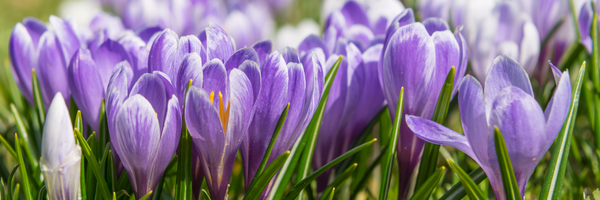
February 01, 2026
February Jobs
Planting calendar
What to do in the garden in January
Welcome to January. The days are slowly lengthening and while spring still feels a way off, now is the time to prepare your garden for the season ahead.
January is often cold, windy and occasionally snowy, making it the perfect month to turn your attention to indoor jobs. Use quieter winter days to sort and clean your shed or greenhouse, ready for the year to come.

Strulch Organic Straw Mulch 9kg bag, Frost Protection x 2 (set), Wheat Straw, Garden Mulch, 100L
Choose your option
Gardening Jobs
Shake snow from shrubs, keep frost protection in place and avoid walking on frozen or waterlogged turf. Prune apples, pears and blackcurrants.
Ventilate the greenhouse, keep bird feeders topped up and clean pots, tools and labels. Check stakes and ties, turn compost if wet, organise seeds and order supplies ready for the season ahead.
What to do in the garden in February
February is an exciting month. Spring is almost within reach and the first signs of the garden coming back to life begin to appear. Weather wise, February can still be cold, with snow, frost and frequent showers. While there is often more sunshine than in January, it is wise to keep an eye on the forecast as winter conditions can still return unexpectedly.
If the weather is uncooperative, use the time to plan indoors. Revisit your spring to do list and start thinking about how you would like to arrange your garden this year.

Melcourt Sylvamix® Peat Free Compost, Professional Horticulture Seed & Cutting Compost, 50L Bag
Choose your option
Gardening jobs
Coppice coloured stem cornus in late February, shake snow from shrubs and prune roses, clematis and deciduous grasses. Tidy and mulch borders, remove weeds, finish pruning fruit trees.
Chit and plant seed potatoes, sow early crops under cover, tidy brassicas, consider planting asparagus, apply general fertilisers, mulch fruit plants and finish planting garlic.
What to do in the garden in March
Spring has arrived and the garden is beginning to wake up after the long winter months. Growth is picking up, plants are starting to bloom and, with the clocks going forward at the end of the month, there is more daylight to enjoy and make the most of in the garden.
March often brings mixed weather. Expect a combination of mild, sunny days alongside periods of rain and strong winds. It is especially important to stay on top of weeds at this time of year, as removing them early is far easier than dealing with established growth later on.
Gardening jobs
Apply a general fertiliser to borders if needed, finish mulching and tidy the garden by removing dead or damaged growth.
In the vegetable garden, prune gooseberries and red and white currants, plant shallot and onion sets and harvest the last winter crops. Sow aubergines, cucumbers, tomatoes and chillies under heat, only if you have suitable heated growing conditions.
What to do in the garden in April
April is an exciting month of fresh growth and spring awakening. With warmer ground temperatures and regular showers, plants begin to grow rapidly. There is generally more sunshine to enjoy, although wind and occasional showers are still likely.
If you planted spring bulbs, deadhead them as the flowers start to fade by removing the flowerhead at the top of the stem. This helps the bulb store energy for next year’s display.

Melcourt SylvaGrow® Organic Multi-Purpose Compost, Peat-Free Growing Media for Pots, Beds and Containers, 40L
Choose your option
Gardening jobs
Deadhead spring bulbs but leave foliage to die back naturally, keep borders weed free and continue mulching. Trim sage and rosemary in mild weather.
In the vegetable garden, continue planting potatoes and finish onion sets by mid April, direct sow hardy vegetables, prune young cherry and plum trees as buds open and sow tomatoes ready for planting out later in the season.
What to do in the garden in May
May is one of the best months for gardening, with the garden truly coming to life. Warmer conditions and longer days encourage strong growth, and many plants begin preparing for a vibrant summer display.
The weather is usually settled and mild, with rising temperatures, but it is still important to watch out for late frosts before moving tender plants outdoors for the summer.

Gardening jobs
Growth is rapid this month, so remove any frost damaged growth, keep weeds under control and deadhead spring bulbs while leaving foliage to die back naturally.
In the vegetable garden, harvest asparagus and early crops, direct sow French beans and sweetcorn in warm conditions, earth up potatoes and sow pumpkins, cucumbers, courgettes and squash under cover.
What to do in the garden in June
Welcome to summer, when the garden truly comes into its own and the effort of the past few months begins to pay off.
With warmer temperatures and long, sunny days, growth is at its peak. Some days can exceed 25°C, so it is important to water regularly and provide shade for young or newly planted plants during hot spells to keep them healthy and thriving.

Gardening jobs
Deadhead flowering plants regularly, keep weeds under control and lightly trim box, shrubs and early flowering clematis. Cut back spent tulips, poppies and pulmonaria, prune ornamental cherries after flowering.
In the vegetable garden, sow carrots, fennel and chicory, plant out leeks, mulch strawberries, water potatoes and feed tomatoes. Mow and maintain lawns, plant hanging baskets, ventilate greenhouses and water thoroughly during warm spells.
What to do in the garden in July
Welcome to July, when the garden is at its peak and bursting with colour from flowers in full bloom.
As one of the warmest and sunniest months, it is a time to enjoy the results of winter and spring work, while staying on top of watering during hot spells, particularly for young plants and newly planted trees and shrubs.

Viano Mo Bacter Moss Killer, Organic Lawn Fertiliser with Active Bacteria, Covers 100m², 10kg
Choose your option
Gardening jobs
Deadhead perennials and roses, keep borders weed free and neatly edged, and cut back oriental poppies after flowering.
Harvest garlic and onions, sow or plant cabbages, finish planting winter brassicas and water courgettes, fruit trees and bushes.
What to do in the garden in August
August is a glorious month for enjoying the garden, with long warm days, summer barbecues and the reward of all the work put in earlier in the year. Temperatures are usually settled and warm, although occasional showers are still likely.
This is a good time to stay on top of routine maintenance, including weeding, watering and deadheading. Pay particular attention to trees, shrubs and plants in pots or hanging baskets, as these will dry out more quickly and need regular watering.

Jiffy Growing Media Peat Free Propagation Super Fine 70lt
Choose your option
Gardening jobs
Deadhead regularly, especially dahlias, keep weeds under control and mow lawns with a higher cut in dry weather. Trim hedges now birds have finished nesting, water plants well, particularly containers, and cut meadow areas as needed.
In the vegetable garden, harvest garlic, onions, apples and pears, sow oriental greens, plant new strawberries, lift main crop potatoes and summer prune trained fruit and grapes.
What to do in the garden in September
September is a rewarding month in the garden, with plenty to harvest and changing weather that can bring cool mornings or warm late summer sunshine.
Use wetter days to organise and clean the shed or greenhouse, getting everything ready for overwintering tender plants in the months ahead.

DCM Fertiliser 1kg Bag, Slow Release Feed Formula for Plants, Flowers, Vegetables, Containers, Lawns
Choose your option
Gardening jobs
Deadhead and weed regularly, clear fallen leaves and take cuttings from tender perennials. Collect seed, plan next year’s displays, plant spring bulbs and lift and divide perennials. Towards month end, plant trees and shrubs while soil is warm, prune lavender and remove any diseased rose leaves.
Harvest sweetcorn, fruit and maincrop potatoes, lift and dry onions and shallots and leave squashes to ripen. Plant autumn onion sets, prune fruit trees and sow winter greens. Tidy the greenhouse, rake and feed lawns, overseed worn areas and start a compost heap with garden waste.
What to do in the garden in October
As nights draw in and temperatures drop, leaves begin to turn from green to rich autumn shades. This is an ideal time to add garden waste to the compost heap or start making leaf mould for use in the year ahead.
Strong winds and heavier rainfall are common, making it sensible to keep a close eye on the forecast and secure plants as needed.

Melcourt SylvaGrow® Rose, Tree and Shrub Compost, Peat-Free Planting Compost for Garden Plants, 40L
Choose your option
Gardening jobs
Mulch and tidy borders, deadhead where needed and remove fallen rose leaves to reduce disease. Plant spring bulbs apart from tulips, lift and divide perennials and plant trees, shrubs and winter containers while soil is warm. Lift or protect summer bulbs, cut back dying growth and prune climbing roses to prevent wind damage.
Plant garlic, onions and spring cabbage, harvest squash and pumpkins and protect late crops from frost. Clear strawberry foliage, pot up herbs for winter use, feed lawns, top up bird feeders and add garden waste to the compost heap.
What to do in the garden in November
November is often damp and windy, but brighter days are ideal for getting ahead with winter preparation. This is the best time to plant tulip bulbs for spring, with plenty of guidance available to help you get it right.
As you tidy borders, add garden waste to the compost heap or use fallen leaves to make leaf mould. Plant bare root trees, shrubs and roses, and clean or repurpose unused pots and trays to keep the shed organised ahead of spring.

Melcourt Bark Nuggets®, Chunky Decorative Garden Mulch for Landscaping and Borders, 60L
Choose your option
Gardening jobs
Part prune roses to prevent wind rock and continue tidying borders when weather allows. Cut back spent herbaceous growth, leaving ornamental grasses for winter structure, rake fallen leaves and finish planting bulbs. Mulch borders, plant bare root shrubs and roses and take hardwood cuttings. Lay turf or scarify lawns if conditions are mild, and avoid walking on grass during wet or frosty weather.
Prune and plant fruit trees and soft fruit, plant garlic, apply compost to bare soil and protect salad crops with cloches or fleece. Clear old crops, fit grease bands to fruit trees and always check for hibernating wildlife before lighting bonfires.
What to do in the garden in December
December is a good month for garden maintenance, with crisp days ideal for repairs and greenhouse cleaning. Despite shorter daylight hours, it is worth making the most of fine weather when it appears.
Protect frost sensitive plants, raise pots to prevent waterlogging and use wet days to plan for next year. Reviewing what grew well and ordering seeds, trays and pots now will help you stay organised and ready for the season ahead.

Gardening jobs
Keep borders tidy, check newly planted shrubs for wind rock and shake snow from hedges to prevent damage. Prune woody ornamentals in mild weather, mulch if conditions allow and protect plants and pots from frost.
Harvest winter vegetables, prune apples, pears, currants, gooseberries and grapevines, but leave stone fruit until spring. Continue planting fruit bushes and divide rhubarb if soil conditions permit. Insulate outdoor taps, ventilate the greenhouse on mild days, keep bird feeders stocked, cover and turn compost and move houseplants to brighter positions indoors.
Follow us on Instagram


Professional grower or landscaper?