

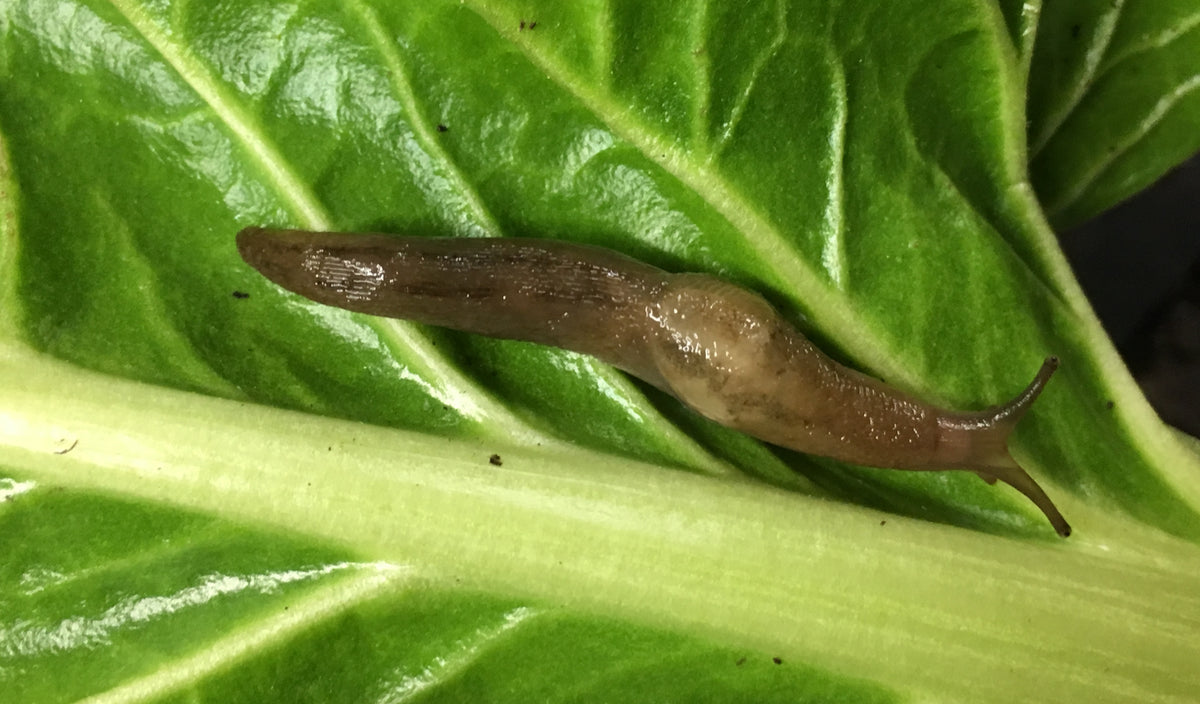
The simplest methods to protect plants include:
- Planting strong plants grown on in pots and giving these transplants some protection with cloches or barriers such as a thick layer of wool pellets or crushed shells.
- Wildlife should be encouraged into the garden as birds, frogs, toads, hedgehogs, slow-worms and ground beetles eat slugs.
- If you can stomach it, go out on mild, damp evenings and pick up slugs into a container. Then remove them to a field or patch of waste ground well away from your gardens or destroy them in a strong salt solution or hot water.
- Remove fallen leaves and debris and disturb the soil during winter, particularly around vulnerable plants such as Hosta so wildlife can eat slug eggs that have been exposed.
Plants are at their most vulnerable to slug damage when young. This is when traps and barriers are most useful.
- Place traps such as scooped out half oranges placed cut side down or cups part-filled with beer and sunk into the ground. Check and empty these regularly, preferably every morning. Proprietary traps are available which are easier to clean and maintain.
- Place barriers around pots or stand containers on matting impregnated with copper.
If these methods are exhausted, try the following:
The biological control Phasmarhabditis hermaphrodita is a UK native, microscopic worm known as a nematode. These mixed with water and applied to an affected area, once in the ground they enter slugs' bodies and infect them with bacteria that cause a fatal disease. A warm soil (temperatures of 5-30ºC) is required, therefore treatments are more effective during spring to early autumn.
There are two types of pellet available to the gardener; those that contain metaldehyde or ferric (iron) phosphate. Ferric phosphate is approved for use by organic growers and is relatively non-toxic to pets and animals. Always read the label thoroughly and follow the manufacturer's instructions.