How to Grow Watercress at Home in Plant Pots
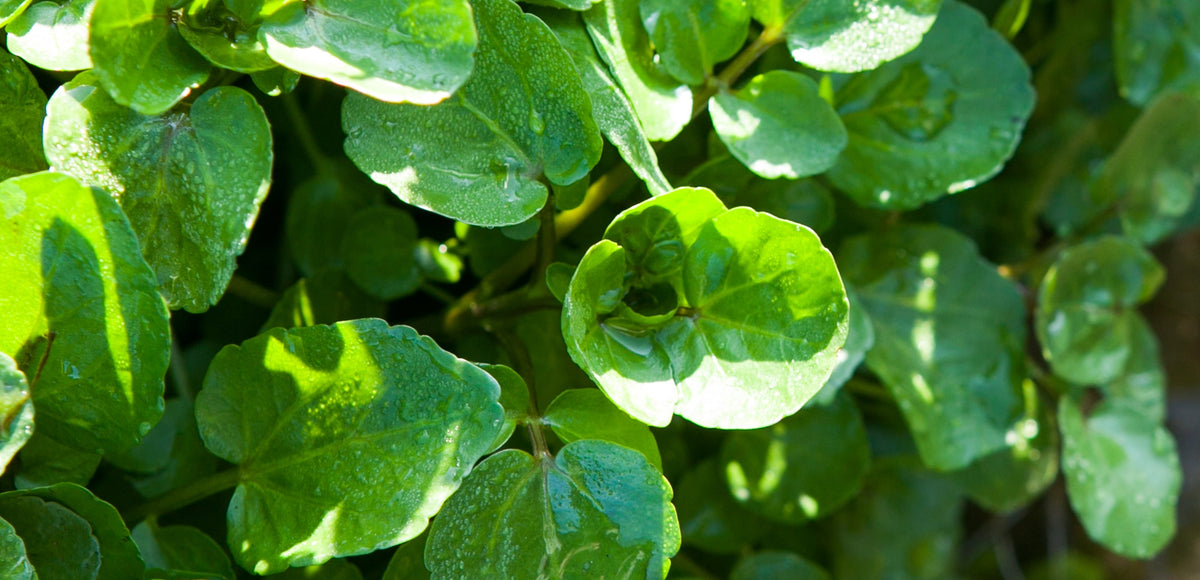
Watercress is one of the easiest and most rewarding leafy greens to grow at home. With its distinctive peppery flavour and high nutritional value, it is ideal for growing in containers, making it perfect for patios, balconies and small gardens.
You do not need a stream or pond to grow watercress successfully. With the right pot, compost and watering method, you can enjoy regular harvests at home throughout much of the growing season.
Why grow watercress at home
Watercress is rich in vitamins A, C and K and adds flavour to salads, sandwiches and soups. Growing your own means fresher leaves, fewer food miles and the ability to harvest exactly what you need.
It is also a fast growing crop, making it ideal for gardeners who want quick results.
What you will need
To grow watercress in plant pots, you will need:
• Watercress seeds or rooted cuttings
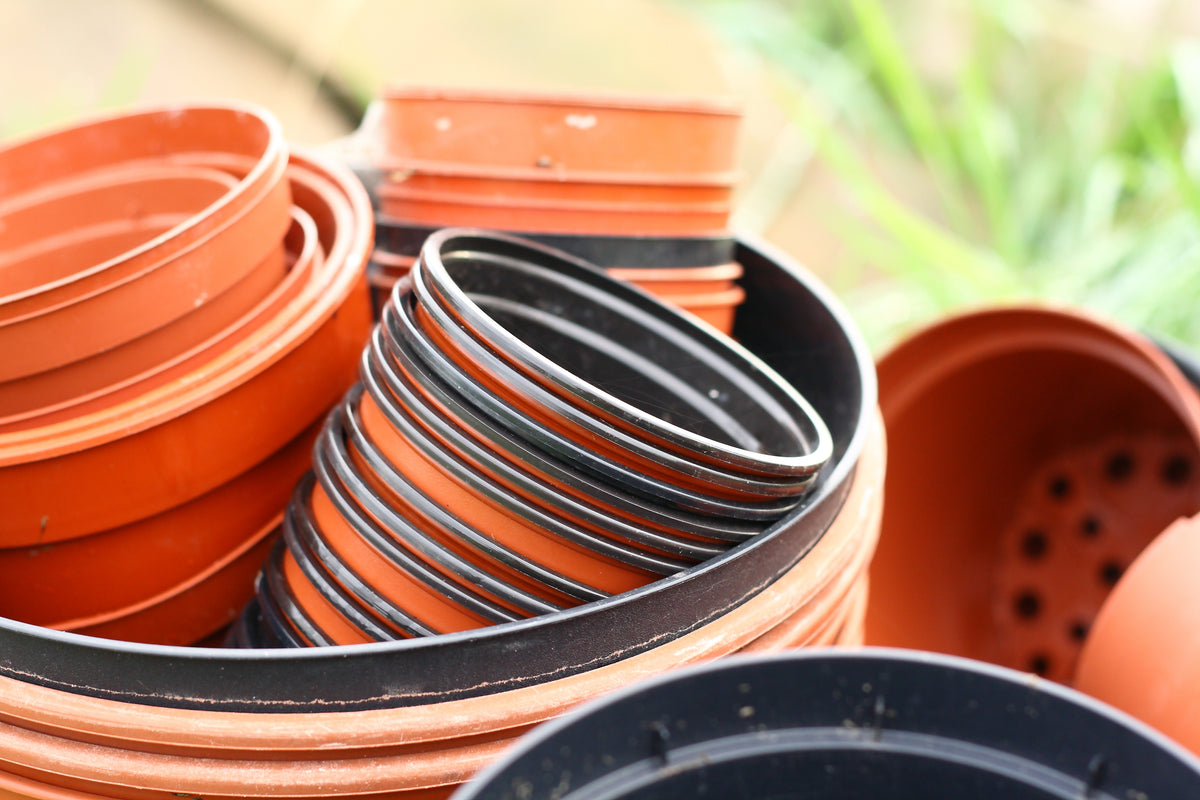
• A wide plant pot or container
• Good quality compost
• A plant saucer or shallow tray
• Access to water
A wider pot allows the roots to spread and makes it easier to keep moisture levels consistent.
When to sow and grow watercress
Watercress can be sown outdoors from March to August. If you have a cold greenhouse or cold frame, sowing can start earlier in the year.
Once established, watercress can be harvested around four to seven weeks after sowing, depending on growing conditions.
How to sow watercress seeds
-
Fill your pot with compost and gently firm it down.
-
Scatter the seeds thinly over the surface of the compost.
-
Lightly cover with a thin layer of compost or vermiculite.
-
Place the pot into a saucer or tray and fill with water so the compost stays consistently moist.
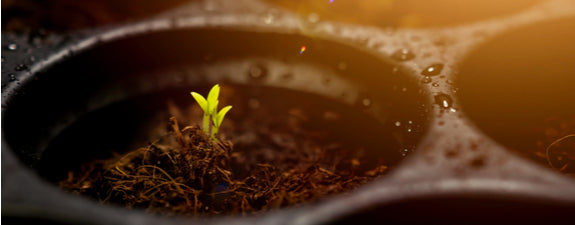
Seedlings should appear within 7 to 10 days if moisture levels are maintained.
Watering and ongoing care
Watercress is a semi aquatic plant and must never be allowed to dry out. Keep the saucer or tray topped up with water at all times.
It is best watered from below rather than overhead, as this prevents disturbing young seedlings. Rainwater is ideal, but tap water can also be used.
Position your pot in a partially shaded area, particularly during hot weather, to prevent the compost drying too quickly.
Growing on and positioning
As the plants grow, they can remain in the same pot. Watercress does not usually require feeding, as excess fertiliser can reduce flavour.
In cooler weather, pots can be moved into a cold frame or greenhouse to extend the harvesting season. Once temperatures are mild, they can be placed outdoors where rainfall will help maintain moisture.
Harvesting watercress
Harvest watercress when stems reach around 10 to 12 cm in length. Use scissors to cut stems just above the base, leaving a few leaves behind to allow the plant to regrow.
This cut and come again approach means you can harvest multiple times from the same pot throughout the season.
Tips for success
• Keep compost consistently wet at all times
• Use a wide pot rather than a deep narrow one
• Water from below using a saucer or tray
• Avoid letting pots dry out in warm weather
• Harvest regularly to encourage fresh growth
• Place pots in partial shade during summer
Common problems and how to avoid them
Poor growth or yellowing leaves
Usually caused by drying out. Check water levels daily.
Weak or leggy growth
Move pots to a brighter position but avoid full midday sun.
Bitter taste
Often caused by stress from lack of water or excessive heat.