Choosing the right plastic plant pot is essential for healthy plants, better watering control and successful growth. Whether you are starting seeds, potting on young plants or planting shrubs and small trees, understanding pot sizes and their uses will help you get stronger root systems and more vibrant growth.
Plastic plant pots are widely used because they are lightweight, durable and suitable for both indoor and outdoor gardening. This guide explains common sizes, when to use them and how to match the pot to the plant’s needs.
Why Pot Size Matters
The size of a plant’s container influences how much soil it holds, how quickly it dries out and how freely roots can grow. Choosing a pot that is slightly larger than the plant’s current rootball allows healthy development without stressing the plant. Overly large pots can hold too much moisture and cause root rot, while too-small pots restrict root growth.
Lightweight plant pots
9 cm round lightweight plant pots
Dimensions 9 cm top diameter × 7 cm depth
Capacity 0.29 litres
Recommended use Bedding and young plants
11 cm round lightweight plant pots
Dimensions 11 cm top diameter × 8.8 cm depth
Capacity 0.52 litres
Recommended use Bedding and young plants
Heavyweight plant pots
6 cm round heavyweight plant pots
Dimensions 6 cm top diameter × 4.4 cm base × 5.8 cm depth
Capacity 0.12 litres
Recommended use Bedding, young plants, cacti and succulents
9 cm round heavyweight plant pots
Dimensions 9 cm top diameter × 6.3 cm base × 8.7 cm depth
Capacity 0.37 litres
Recommended use Bedding and young plants
12 cm round heavyweight plant pots
Dimensions 12 cm top diameter × 7.7 cm base × 10.7 cm depth
Capacity 0.735 litres
Recommended use Bedding and young plants
Container plant pots
1 litre 13.2 × 10 × 10.4 cm
1.5 litre 15.1 × 11.2 × 11.9 cm
2 litre 16.7 × 12.5 × 13.2 cm
3 litre 19 × 14 × 15 cm
4 litre 21 × 15.5 × 17 cm
5 litre 22.5 × 16.5 × 18 cm
7.5 litre 26 × 19.8 × 21 cm
10 litre 26 × 23.8 × 22 cm
Square plant pots
9 cm square 489 ml
10 cm square 1.4 litres
13 cm square 2.4 litres
Heavy duty container pots without handles
12, 15, 20 and 25 litre sizes for tree production and growing
Heavy duty container pots with handles
30, 35, 43, 50, 60, 75, 80, 90, 100, 125 and 130 litre sizes
Giant round plant pots
160 L 80 × 51 cm
210 L 80 × 55 cm
230 L 85 × 55 cm
285 L 95 × 55 cm
350 L 95 × 73 cm
500 L 103 × 80 cm
600 L 120 × 68 cm
750 L 120 × 78 cm
1000 L 140 × 90 cm
1500 L 155 × 100 cm
What to Use Different Pots For
Seed and Young Plants
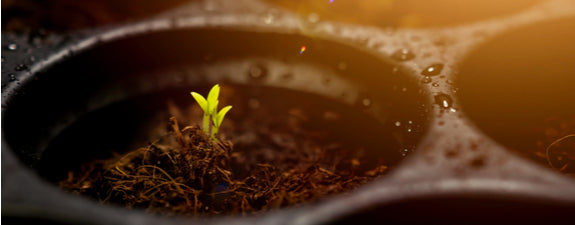
Small plastic pots (9–13 cm) work well for sowing seeds and raising cuttings. They hold just enough compost for early root development and make it easy to water evenly.
Potting On
As plants grow, move them into slightly larger pots (15–20 cm) to allow roots room to expand before final planting.
Feature Plants and Shrubs
Larger pots (25 cm plus) provide space for strong root growth and soil volume for established plants, shrubs or patio specimens.
Vegetables and Edibles
Medium and large containers are ideal for crops like tomatoes, peppers and salad greens. Choose pots that give at least 20–30 cm of soil depth for vegetables that need room for root spread and moisture retention.
Tips for Choosing a Plastic Pot
Match to the rootball: Select a pot slightly bigger than the plant’s current root spread.
Drainage matters: Always choose pots with drainage holes or add them yourself.
Avoid overpotting: Larger pots retain more moisture than needed for small plants and can lead to root issues.
Raise pots off the ground: Use pot feet or similar to help drainage and airflow.
Caring for Plants in Plastic Pots
-
Water regularly: Smaller pots dry out faster, especially in bright weather.
-
Feed appropriately: Use a balanced feed for plants in containers.
-
Repot when needed: If roots start circling the edge of the pot, it’s time to go up a size.