

What to do in the garden in October
October is a month of transition. Leaves turn and fall, temperatures dip and growth slows. It is the start of serious autumn preparation. The focus now is protecting what you have and planting for the year ahead.
Frost becomes more likely, especially towards the end of the month. Keep fleece ready and move tender perennials under cover before cold nights cause damage. Strong winds and heavy rain are also common, so check supports, ties and drainage regularly.
This is one of the best months for planting trees and shrubs. The soil is still warm, which encourages root establishment before winter. Clear weeds thoroughly, improve the soil with organic matter and plant carefully to give new additions the strongest possible start.
Fallen leaves are valuable. Add them to your compost heap or start a dedicated leafmould pile to create a rich soil conditioner for future use.

Ornamental garden jobs in October
• Mulch borders to protect roots and conserve soil moisture.
• Continue deadheading where plants are still flowering.
• Remove fallen rose leaves to reduce the risk of blackspot.
• Keep borders tidy and weed free.
• Transplant plants while soil conditions remain workable.
• Plant spring flowering bulbs such as daffodils and crocus, leaving tulips until November.
• Lift and divide overcrowded perennials.
• Plant winter bedding in containers and borders.
• Plant trees and shrubs while the soil is moist and warm.
• Sow sweet peas under glass for early blooms next year.
• Lift and store tender bulbs and tubers such as dahlias and gladioli, or mulch heavily if leaving in the ground.
• Cut back herbaceous perennials as they die down.
• Prune climbing roses lightly to prevent wind damage.
Vegetable garden jobs in October
• Begin planting garlic.
• Protect late crops with fleece if frost is forecast.
• Lift and divide rhubarb crowns.
• Remove old strawberry foliage to reduce disease risk.
• Pot up herbs and move to a frost free space to extend cropping.
• Complete onion set planting and plant spring cabbages.
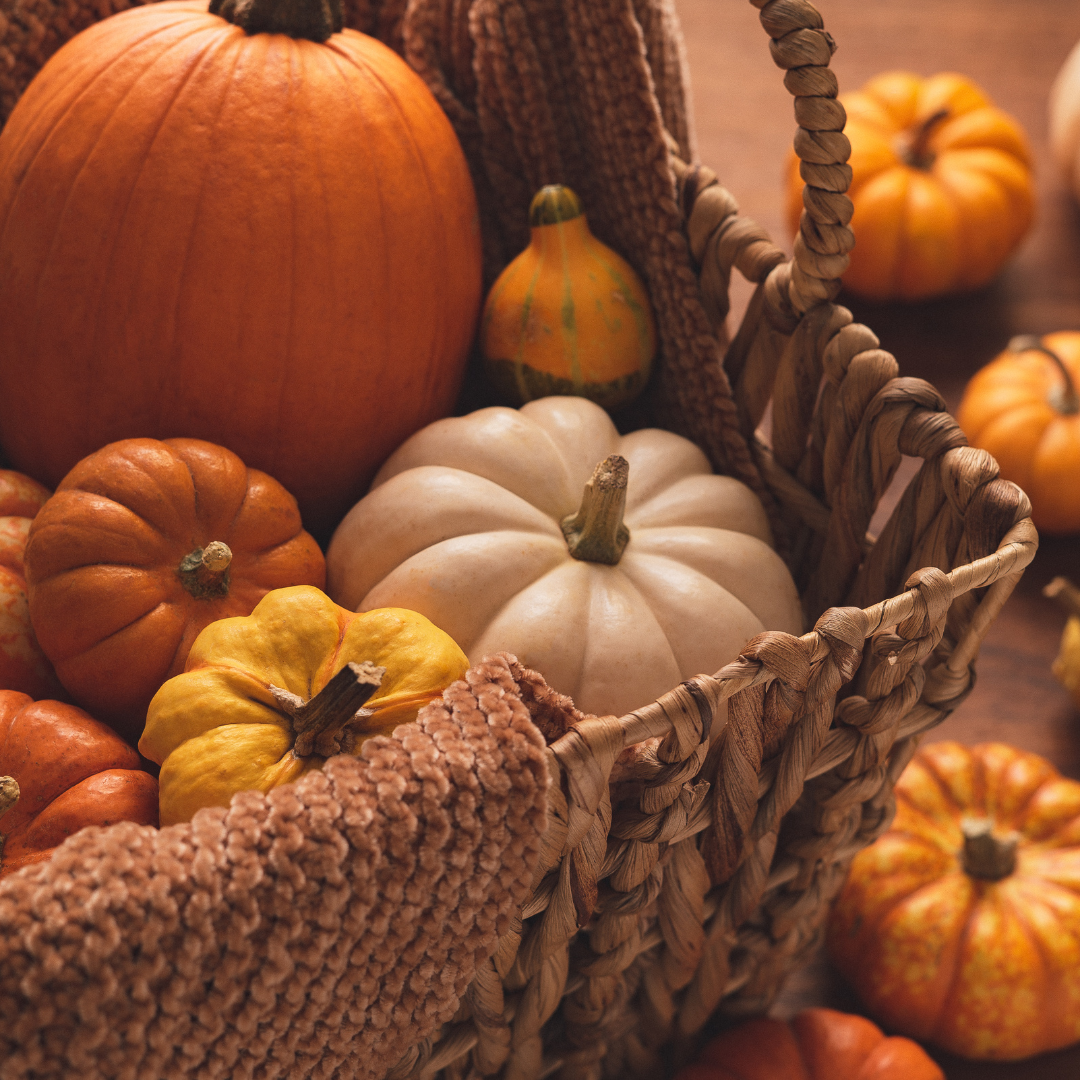
• Harvest remaining squash and pumpkins before heavy frosts.
Other essential garden tasks
• Refill bird feeders as natural food sources decline.
• Install log piles or insect habitats to support wildlife.
• Apply an autumn lawn feed to strengthen turf before winter.
• Continue adding healthy garden waste to your compost heap.
