

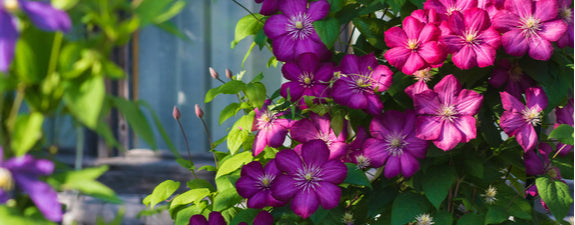
What to do in the garden in July
July is high summer. Borders are full, containers are thriving and vegetables are cropping steadily. This is the garden at its most generous, but it also demands consistent maintenance to keep everything performing through heat and dry spells.
As one of the warmest months in the UK, prolonged sunshine and higher temperatures can quickly stress plants. Prioritise watering newly planted trees, shrubs, bedding and containers. Water deeply and less frequently to encourage strong root systems rather than shallow growth.
Warm conditions also favour pests and disease. Aphids, mildew and other common problems can spread quickly if ignored. Inspect plants regularly and act early with appropriate control methods to prevent escalation.
July is about balance. Maintain the essentials, harvest regularly and take time to enjoy the results of the work put in earlier in the year.

Ornamental garden jobs in July
• Continue deadheading herbaceous perennials and roses to extend flowering.
• Maintain regular weeding to reduce competition for moisture.
• Edge borders to keep lines sharp and tidy.
• Cut back oriental poppies once flowering finishes.
• Divide overcrowded bearded irises if flowering has declined, replanting healthy rhizomes.
• Cut flowers frequently to encourage further blooms.
• Trim evergreen hedges to maintain shape.
• Plant autumn flowering bulbs.
• Remove spent flowers from climbing hydrangea.
• Feed dahlias and cannas to support strong flowering.
• Take semi ripe cuttings of clematis.
• Sow biennials for next year’s display.
• Support climbing and tall herbaceous plants to prevent collapse.
Vegetable garden jobs in July
• Harvest garlic once foliage begins to yellow and dry.
• Lift onions when tops fall over and allow them to dry thoroughly.
• Sow spring cabbages and plant winter cabbages.
• Water courgettes consistently to improve yield.
• Complete planting of winter brassicas.
• Water fruit trees and bushes during dry periods to support fruit development.
Other essential garden tasks
• Mow lawns regularly but avoid cutting too short in hot weather.
• Apply lawn fertiliser if growth slows or colour fades.
• Maintain consistent watering during dry spells, particularly for containers and hanging baskets.
• Monitor plants for signs of disease or pest damage and treat promptly.


