

As daylight hours shorten and temperatures drop, the familiar sights and sounds of insects in our gardens begin to fade. Most species that thrived during the warmer months now enter a dormant stage, their metabolism barely ticking over as they endure the cold winter months.
Among these dormant insects are all 57 of Britain’s resident butterfly species. Some overwinter as eggs, others as larvae or pupae, hidden within their habitats and hoping to remain undisturbed until spring.

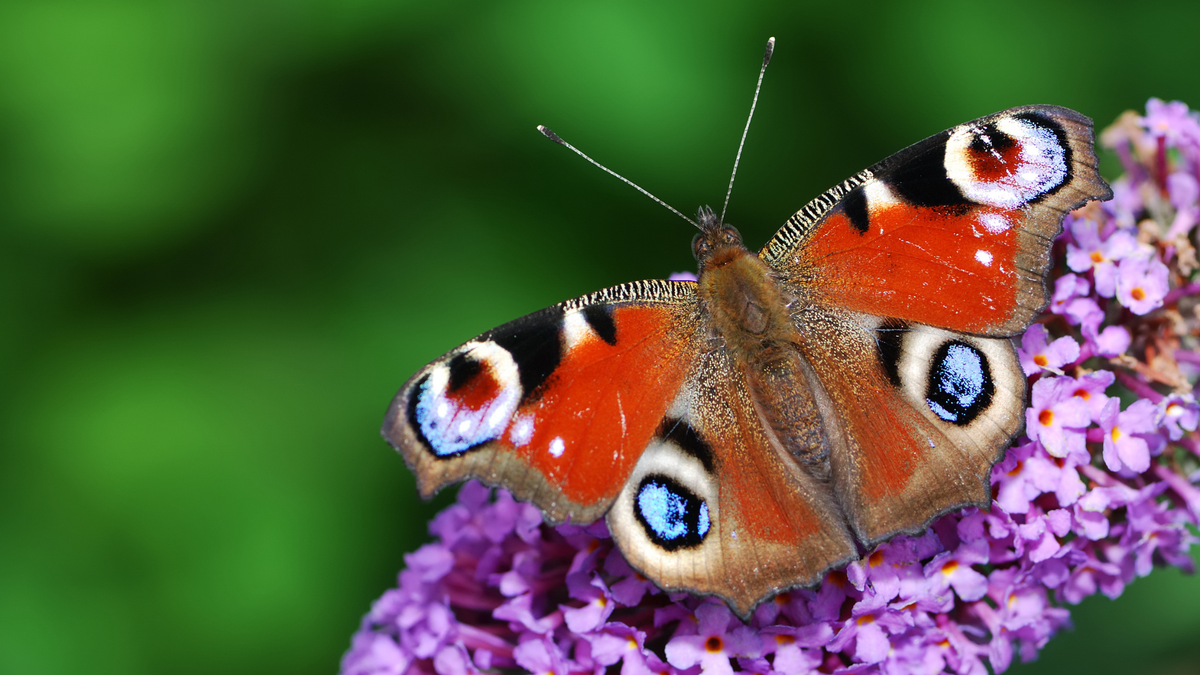
However, four native species hibernate as adults: the Peacock (Aglais io), Small Tortoiseshell (Aglais urticae), Comma (Polygonia c-album), and Brimstone (Gonepteryx rhamni). Hibernating as an adult is risky; many will not survive to fly again in spring.
Besides the threat of predators such as birds and rodents, adult butterflies may struggle if they haven’t stored enough carbohydrates from late-summer nectar to sustain them through dormancy. Mild winters can also be dangerous, potentially waking them too early, and unsafe hibernation spots—like logs destined for a wood burner, sheds with spiders, or houses that get too warm, can be fatal.

Each species has preferred hibernation sites: Brimstones often shelter in dense vegetation such as ivy, while Commas favour leaf litter. Even these locations can be exposed to sub-zero temperatures for prolonged periods, adding to the risks.
We can help our native butterflies survive the winter by taking a few simple steps in our gardens:
- Leave flower borders and hedges undisturbed until spring to protect eggs, caterpillars, and chrysalises.
- Plant nectar-rich flowers in autumn to help adult butterflies build up energy for hibernation.
- Grow early-flowering plants to provide nectar when the butterflies emerge in spring.
- If adult butterflies take shelter in our homes, they can be carefully released outside, or, if temperatures are below 5°C, gently relocated to an unheated shed or garage with a window that can be opened in spring.
By understanding the ways butterflies endure the winter, we can create safer habitats and increase their chances of surviving until spring.

About Dr Ian Bedford
Ian has been fascinated by the bug world for as long as he can remember. From studying butterflies on the South Downs as a youngster, he went on to pursue a career in Research Entomology and ran the Entomology Dept at the John Innes Centre in Norwich up until his recent retirement.

'Bug of the Month'
Every month Ian will share his knowledge on how to protect your plants and gardens from preventable pest invasions while providing valuable insights into the insects regularly found in our gardens.